

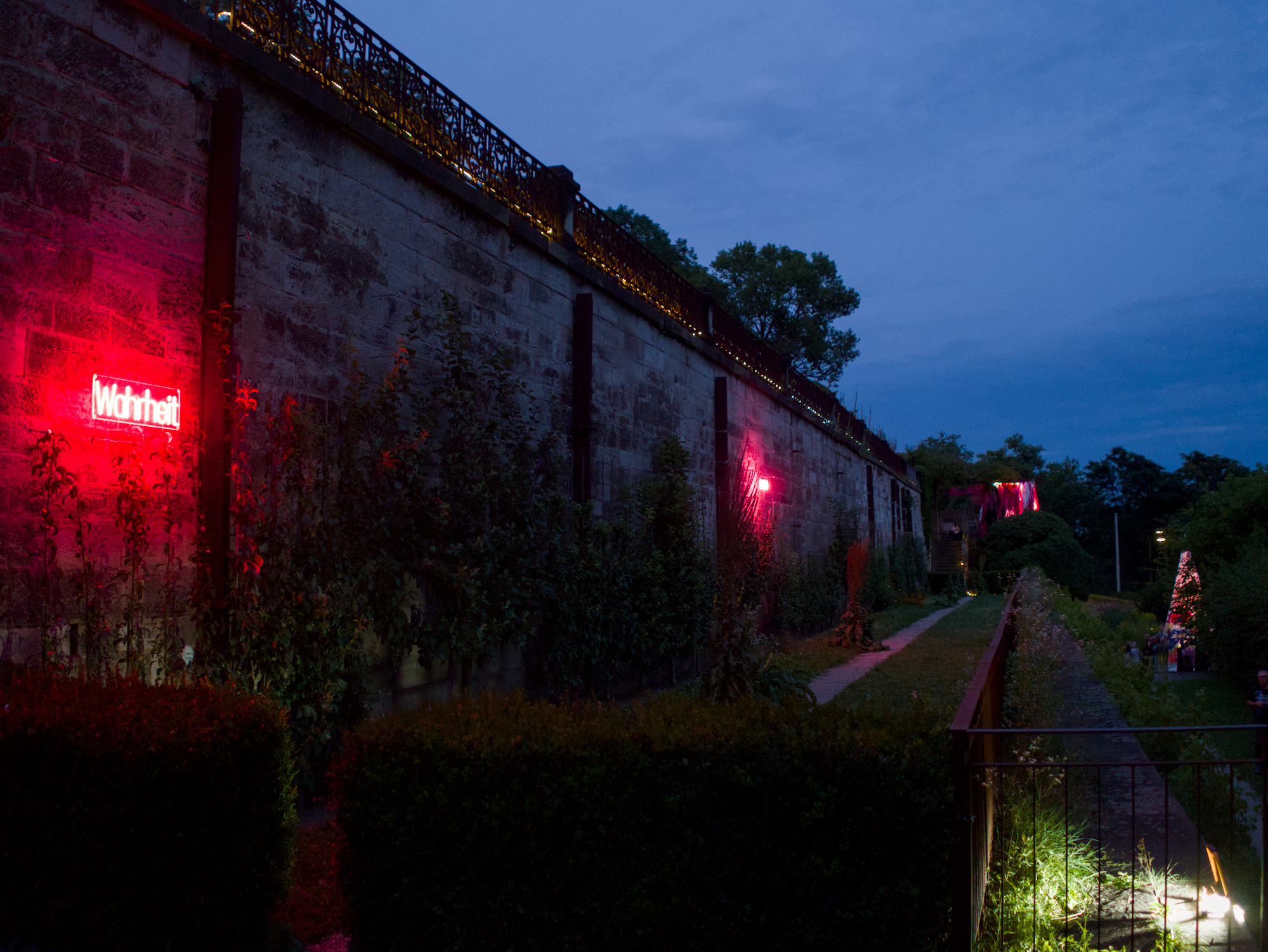
Two days before a heavy downpour was to devastate Gottsbüren and Gieselwerder, Mrs K. and I, together with our dear relatives, visited an exhibition in Kassel – more specifically, the ‘Lichtwege’, which has been held for several years now on the Weinbergterrassen in the heart of Kassel.
The “Weinberg” is a rather extraordinary location. It consists of limestone cliffs rising up in the middle of the city. In the 19th century, farmers from Kassel dug tunnels into the rocks to use them for storing ice.
This ice was harvested from the River Fulda during the winter months so that it could then be used to chill beer in the summer. Later, the tunnels driven into the rocks were also used for storing wine, which is mainly why the misappropriated name “Weinberg” (vineyard) is used.
The Henschel industrialist family had a lavish villa built on the Weinberg, though parts of it were demolished as early as 1931 because they could no longer afford the upkeep – that is, before they became fabulously wealthy through arms deliveries to the Nazis. But of course that was short-lived, and the Allies took care of the rest during the major attack on Kassel on 22 October 1943.
Today, the Weinberg is home to museums, memorials… and, of course, the annual “Lichtwege” festival.
So, in the summer of 2024, we were there too, and also present were the artists exhibiting their work at the “Lichtwege”, with whom one could chat about their art.
Since we’d moved away from Rhöndorf, our access to cultural events had been rather limited. So we were happy to seize this opportunity and immerse ourselves in the exciting, colourful world of shapes and sounds at the “Lichtwege” – an event that seemed a world away from the troubles we’d had to contend with back home in the village.
But the longer I walked across the vineyard terraces, and the more art I looked at and learned the stories behind it, the calmer and more pensive I became – and at first I didn’t even realise why.
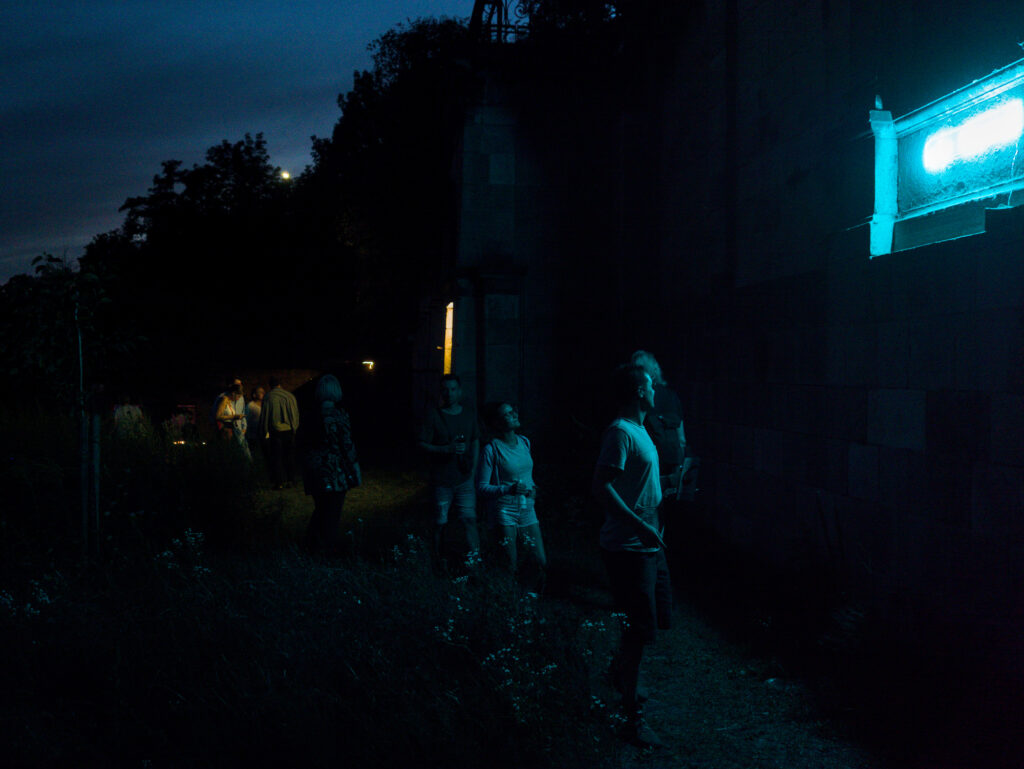
Eventually, I came across a sort of light installation with sound, and the artist behind it was just talking to her audience about how it felt for her to be an artist. How she experienced it when her art spoke to her.
And at that moment, I actually had to laugh.
Not because it seemed so ridiculous to me. I know these moments very well, when what I create takes on a life of its own and communicates with me. When a few randomly thrown-together notes and chords become so much more, when I suddenly hear something new in them, and when I feel as though my music is trying to tell me something.
So I actually understood the woman very well. That was the problem, too. This was my world, and yet it wasn’t.
I see myself as an artist
But even from the way I’m writing this, the attentive reader might notice that something isn’t quite right, and that I’m struggling with it.
So, let’s try again.
I am an artist.
That’s better. I am an artist. But it really is hard for me to say that. And what actually happened back then at the Weinberg in Kassel was this: I looked with great, great envy at this woman who was just talking so effortlessly about herself and her art, and I let out a bitter little laugh because I’m not like that.
Because as she was talking about it – about what a powerful feeling it is when art talks to you – I imagined what would happen if I were to say something like that back home in my village.
Most people would just look at me in bewilderment and later whisper amongst themselves: “Huh? What does he think he is? An artist? And what’s he going to live on then? On benefits, no doubt. Yeah.”
And with many of my friends, colleagues and acquaintances, it’s exactly the same. To them, this Stephan simply doesn’t exist.
I’ve avoided calling myself an artist my whole life; first because I wasn’t sure I was one, and later because the people around me simply don’t know me that way. I’m a volunteer animal keeper, a software developer, an amateur photographer… but what I express from the depths of my soul has always been music.
That became clear to me at that moment in the vineyard. And when the artist received applause and chatted animatedly with those around her, I felt how much I miss some kind of exchange, and that I had to find a new way of dealing with my identity as an artist.
When we saw the aftermath of the flood in the Weser Valley two days later, I hadn’t yet realised just how much the flood would ultimately shape the whole album (my voice therapist Katja and I once joked that the album really should have been called ‘Floodland’ – but I suspect a certain Mr Eldritch would have had something to say about that).
I now know that the flood is so much more than just water.
The flood is parents driving their children 50 metres to nursery in an SUV. Lost souls who are proud of being stupid. Software that encourages lonely teenagers to put a bullet through their heads. The flood is bad news, outrage, cynicism, manipulation, and the constant feeling that everything is still getting a little worse. The flood is Spotify, TikTok and YouTube. Algorithms that determine what is visible and what isn’t. Culture that is now called ‘content’ and only has value if it can be monetised.
But then there is that wonderful moment when art talks to you, through the silence, and when the flood cannot touch you.
I can’t blame my friends, colleagues and acquaintances for not being interested in my music.
But I can blame myself if I let that make me feel small, hide away, deny who I am and feel miserable about it, because that is exactly the kind of surrender the flood wants from me.
Well – not with me, dear flood.
I am an artist. Deal with it.
Epilogue
On the evening of 7 March 2026, our beloved dog Buba left us forever.
She did not suffer, but her passing came as a great shock to us and we are still finding it very difficult to come to terms with this new reality.
Buba was our faithful companion for 14 years.
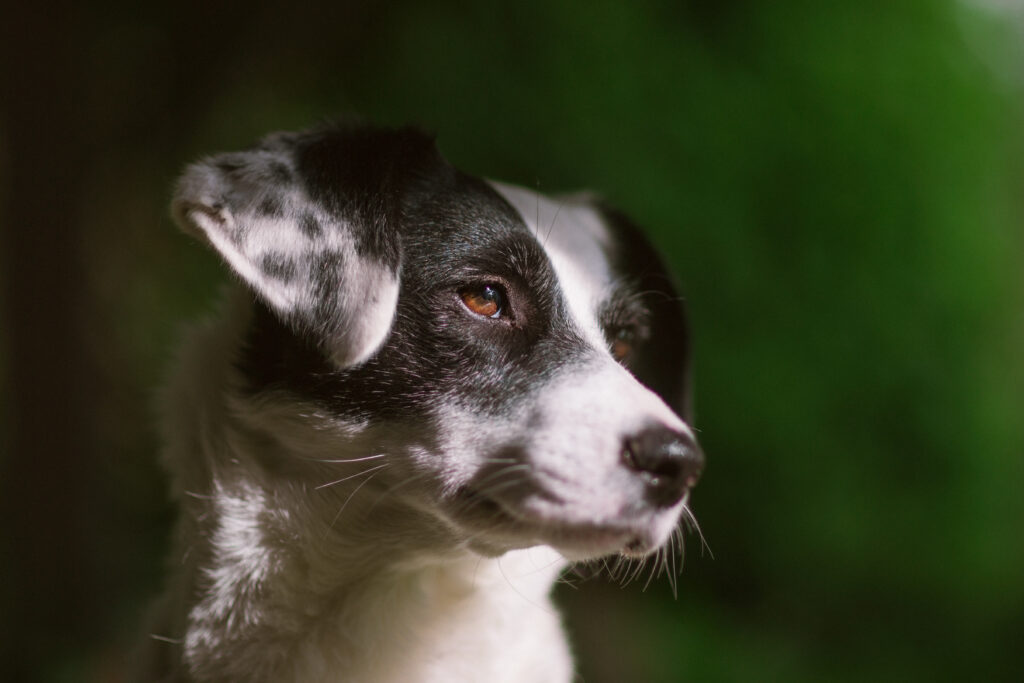
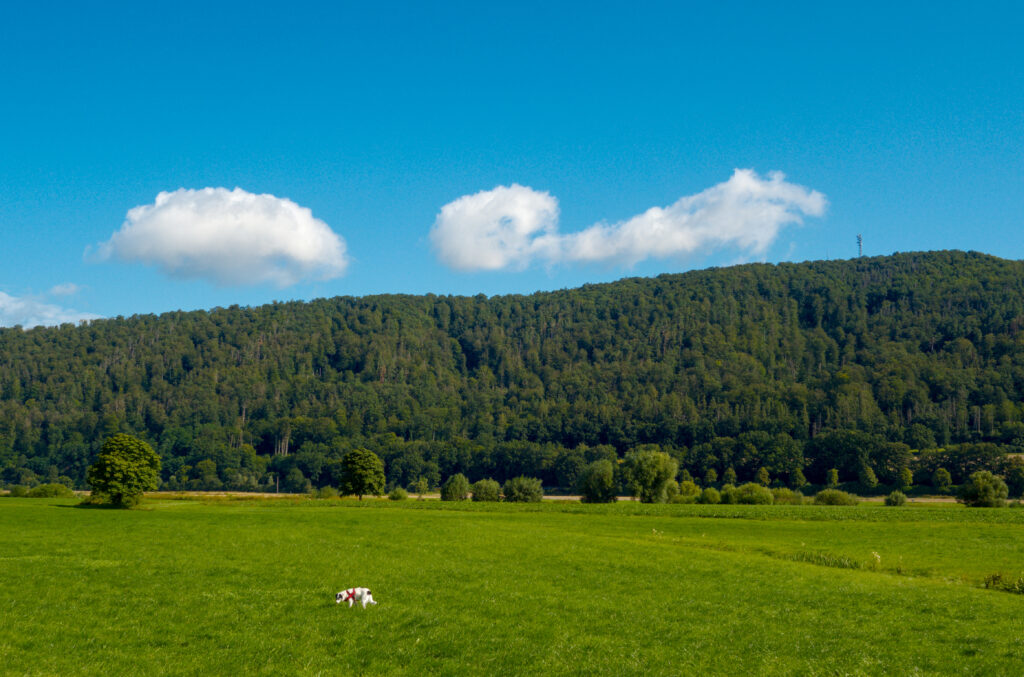
She was with us when Botany Bay still existed, and she was there when I founded Schall und Stille. She was there when my mother died, and she was there when Katja’s mother died. Together with her, we explored the Reinhardswald and the Weser Valley. Together we welcomed Candor K. into our lives, and Buba was the best pack sister he could have hoped for. And she comforted us after Candor had left us.
And of course she was there when ‘Trendula’, ‘Niar’ and ‘The Artist In The Vineyard’ came into being.
She was always with us, through all the highs and all the lows.
Only those who have ever been able to call a dog their friend can imagine our grief, which is no less deeply felt and painful than if a human had passed away.
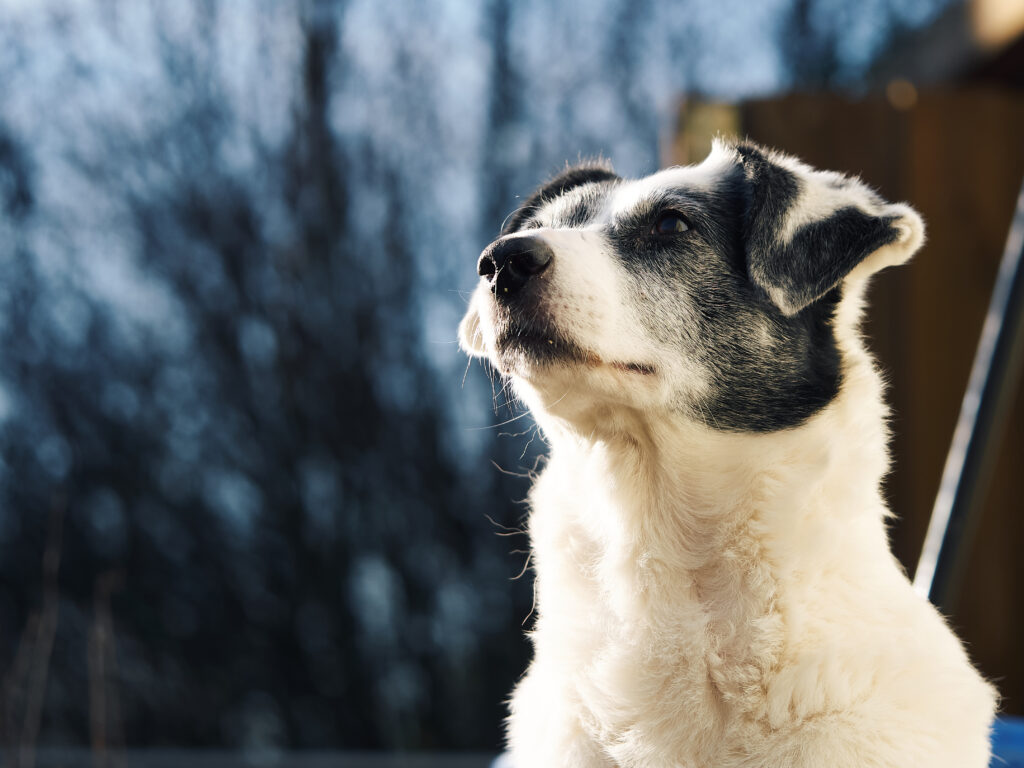
Shortly after Buba’s death, we received news that there had been a smouldering fire at the Hundehaus (our friend’s wooden cabin) at the foot of the Reinhardswald.
The fire had rendered the building uninhabitable and caused such severe damage that it is likely beyond repair.
So, along with Buba and the Hundehaus, our time at the foot of the Reinhardswald also comes to an end – all the adventures we experienced there, and the music that was created there.
When I was at the Hundehaus with Buba for the recordings that would eventually become the three songs on ‘Strategies…’, I also recorded a total of nine other demos that didn’t make it onto the album.
The music for Buba’s song was conceived at the Hundehaus, but I couldn’t think of any lyrics; then, as “Strategies” finally took shape, it became clear that a song about my dog wouldn’t necessarily fit the album’s theme, and so the idea was shelved.
After Buba’s death, lyrics came to me very quickly, and I finished the song.
Here it is.
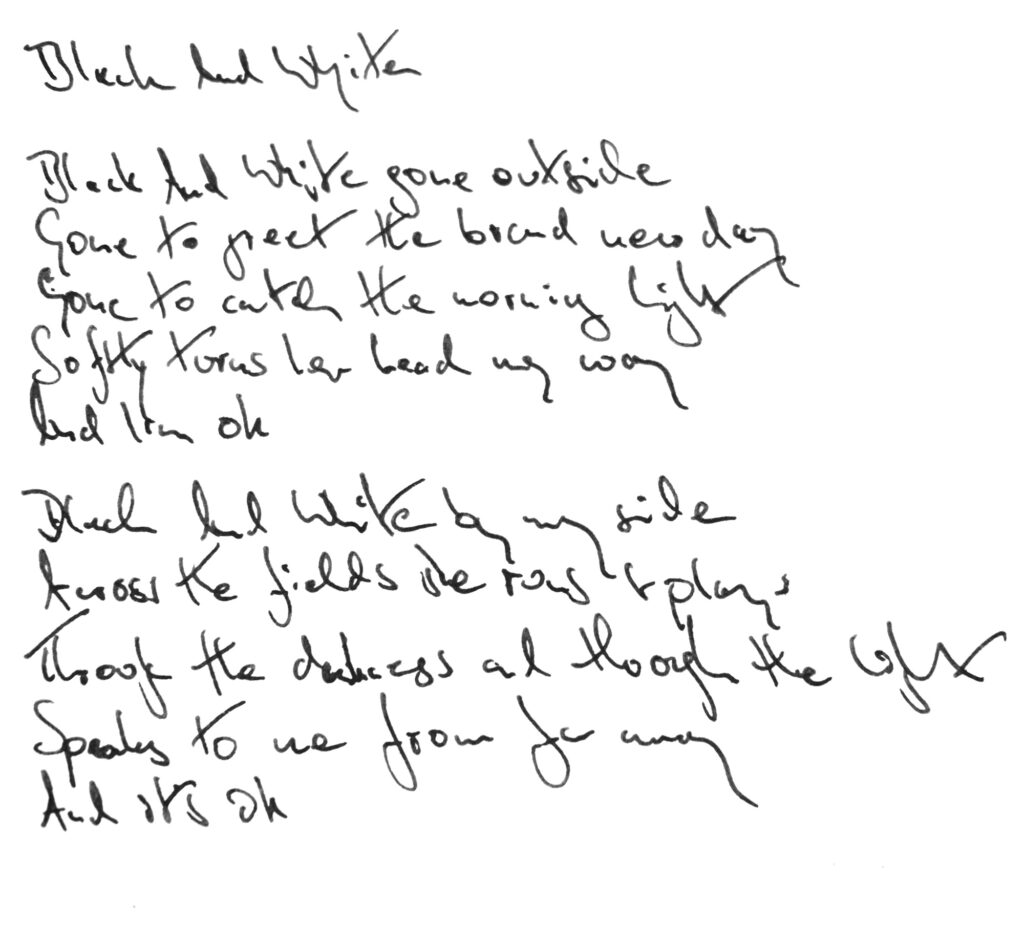
The solo instrument right at the end is a kantele – a Finnish musical instrument that used to be part of the cabin’s furnishings. It can also be heard in the coda of “The Artist In The Vineyard”, and it, too, is no longer with us.
From my perspective today, it’s nonsense that a song about Buba wouldn’t have fit on the album. It would have fitted very well, and she would have deserved it.
And that’s why today I’d like to dedicate not just this one, final track to her, but the whole album. She was always there, from start to finish.
Thank you, Buba, for a wonderful time together.
I’ll never forget you.


Leave a Reply